Some lifestyle habits, long considered secondary, take on critical importance after 60. Ignoring the impact of daily routine on physical and mental balance can hinder flourishing at this age. However, targeted adjustments can optimize quality of life and approach this period with confidence.
Behind the preconceived notions about aging, concrete strategies facilitate the maintenance of autonomy, intellectual stimulation, and social well-being. Adopting these methods means choosing to actively invest in a new personal dynamic.
After 60, a new freedom to explore
The numbers debunk the clichés: according to Santé Publique France, one quarter of the population has now crossed the 60-year threshold. In France, life expectancy after 50 remains high, a significant fact that invites a rethinking of retirement: no longer seen as a stage exit, but as a space of freedom to build, far from old clichés about inactivity.
However, the World Health Organization sounds the alarm: nearly one quarter of suicide deaths involve those over 60. This figure forces us to face reality: preserving senior health, combating isolation, stimulating engagement. Active retirement is not an obligation; it emerges as a true resource. Exploring new interests, cultivating curiosity, maintaining social connections—each step reinforces mental and physical balance.
For inspiration and concrete ideas, the seniors blog to discover gathers advice, testimonials, and ideas to enrich daily life. Taking the time to inform oneself, share, and recharge with tailored advice fosters flourishing and supports autonomy. The accumulated experience, the desire for transmission, engagement in volunteering or leisure activities—all contribute to collective vitality.
Encouraging the voice and action of seniors expands the realm of possibilities. It is not about enduring the passage of time, but about reinventing at every stage a chosen life, where well-being, relationships, and curiosity become powerful levers of satisfaction and desire to act.
What are the pillars of a fulfilling and active life over the years?
The health axis is paramount. Health prevention sets the tone. Regular physical activity, even moderate, structures daily life, reduces the risk of loss of autonomy, improves mobility, and supports morale. Thirty minutes of walking, some gentle exercises, or stretches are enough to maintain fitness without seeking performance.
Balanced nutrition also plays a role. Prioritizing fiber, fruits, vegetables, and proteins limits the onset of age-related diseases. Hydration becomes central: drinking regularly, even without feeling thirsty, remains essential for the body’s proper functioning.
Social connections serve as a safeguard against isolation and depression. Maintaining relationships, participating in workshops, sharing knowledge—these are all actions that sustain inner dynamics. Cognitive stimulation, through reading, memory games, and community projects, keeps the mind alert.
Here are some guidelines for structuring this balance:
- A sufficient sleep restores physical and mental energy.
- Stress management protects both the brain and the cardiovascular system.
- Vaccination helps ward off certain diseases as one ages.
To go further, mindset matters. Optimism, curiosity, humor, openness to new activities—these attitudes preserve mental health and nourish desires. Leisure activities stimulate intellect, motor skills, and provide daily opportunities for flourishing. After 60, combining vigilance, enthusiasm, and daily pleasure is the best program.
Concrete tips to cultivate well-being, connections, and curiosity in daily life
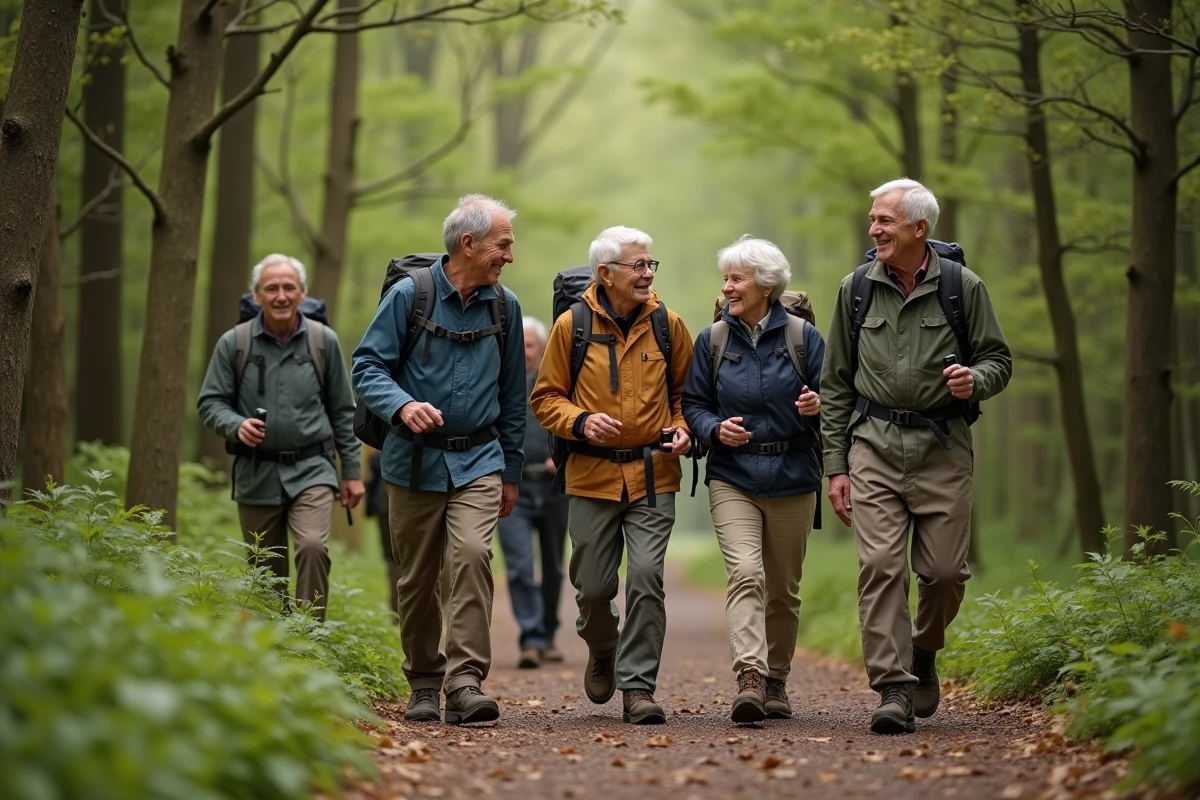
Enriching daily life after 60 means multiplying initiatives and varying pleasures. Joining a sports club that offers adapted sessions, gentle gymnastics, walking, or yoga helps maintain vitality, promotes autonomy, and positively impacts morale. Associations create connections: workshops, intergenerational meetings, moments of sharing—nothing beats these for breaking solitude and fostering continuous learning.
Volunteering provides a platform for engagement and boosts self-esteem. Giving time, sharing experience, participating in local life—each action nurtures a sense of usefulness and joy in contributing. Family support and that of friends, whether caregivers or companions, secure daily life and enhance self-confidence.
In the face of loneliness or a need for listening, several support systems are available: Solitud’écoute and Croix-Rouge chez soi offer active listening, friendly visits, and psychological support. Interactions with young people involved in the Service civique solidarités seniors create bridges between generations and encourage autonomy while valuing the richness of life experiences.
Throughout the journey, support from health professionals remains crucial. They ensure medical follow-up, prevention, and provide personalized advice. But the essence lies in daily life: staying curious, varying activities, cultivating memory, and sharing quality moments. After 60, living fully involves action, relationships, and a constant desire to try, learn, and transmit. The future remains open to those who dare to write it day by day.