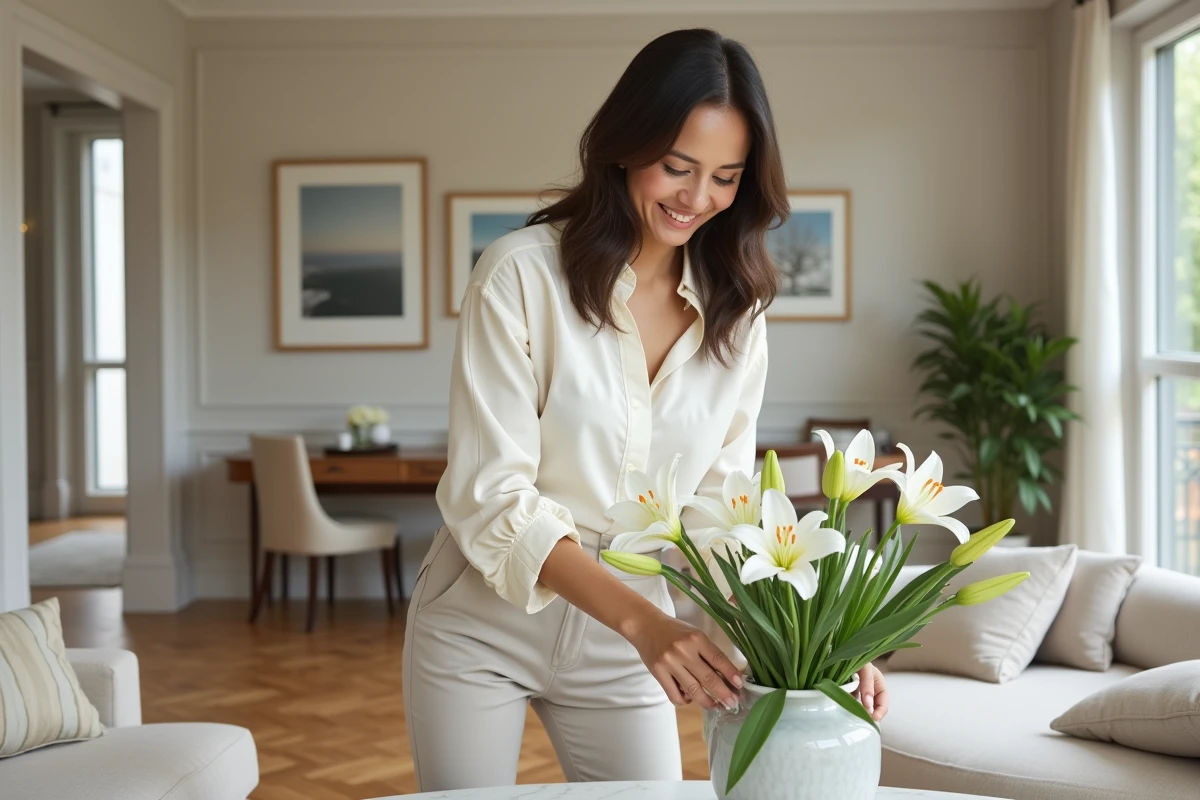
The combination of brass and wood, long considered outdated, is now an essential feature in the creations of interior architects. Contrary to fleeting trends, certain materials and colors transcend fashions without ever losing their evocative power.
Chic and comfort are not measured by the quantity of objects, but by the accuracy of choices. The balance of an elegant interior relies on a few key principles, often underestimated, capable of transforming a space sustainably.
The fundamentals of a chic interior: understanding elegance in everyday life
A chic interior design does not simply stack trendy items. It is based on reliable values, sometimes discreet but always felt: harmony, order, balance, natural light. Dorothée Delaye, a reference in the field, embodies this effortless chic where simplicity becomes a quiet strength. Her method? Mixing raw materials, open spaces, and soothing hues. Here, every detail matters, without ever overdoing it.
Elegance is anything but static. It manifests in various styles: minimalism with lightness, subtly gilded vintage, reinterpreted art deco, Scandinavian touches, or Japandi influences. The industrial style combines brick and metal, while ethnic chic favors woven baskets and terracotta shades. The diversity of inspirations nourishes interiors that leave a lasting impression.
To give a place that extra soul, coherence is paramount. Harness light, refine perspectives, and choose each piece with care. Personalization makes the difference: combining vintage furniture with contemporary lines, daring an unexpected hue, preserving the charm of old structures. The spirit of Marie Kondo finds its place, blending clarity and practicality without compromising on style.
Chic design with Habiz stands out as a reference for those who want to live the style every day, without making it a static decor. Between inspiration and method, each interior becomes a signature in harmony with its inhabitants and its time.
What choices of materials, colors, and furniture really make a difference?
Material forms the identity of a chic interior. Embrace noble and durable materials: pink marble from Alicante, travertine, terracotta from Salernes, worked wood, plaster, polished concrete. In a Marseille home, these elements create an aesthetic that is both refined and authentic. A few touches of handmade ceramics, glass, or metal punctuate the whole, without ever overwhelming the space.
To add depth, the color palette matters more than one might think. Beige, terracotta, powder pink, and patinated white tones serve as a luminous, timeless base. They enhance clarity and enlarge the room. To give them relief, add some contrasting touches or materials with marked textures:
- a cream boucle fabric sofa
- Yaruba cushions from Nobilis
- a Sabbia rug by Toulemonde Bochart
Velvet, linen, and wool bring a comforting softness, while brass or bronze finishes, for example on a Caravaggio table, introduce a sophisticated note.
Furniture sets the tone. To stand out, nothing beats carefully chosen pieces:
- Custom sofa
- Vintage Le Corbusier chair
- Yasmin Bawa console in hemp and lime
- Minimalist bookshelf
- Sculptural mirror
The mix of contemporary objects and found elements creates a unique energy. Simple lines intersect with more graphic forms, the rigor of minimalism meets the poetry of a handcrafted object. This dialogue shapes timeless spaces, where comfort is as important as style.

Inspiration and practical tips to reveal the potential of your decor
The Marseille home envisioned by Dorothée Delaye is a manifesto in itself: the old and the contemporary respond to each other, and elegance never sacrifices the everyday. Thoughtfully designed volumes, light exploited at every moment, plants from neighboring terraces, and an opening to the sea: all ideas to capture for giving true dimension to one’s interior.
To transform a room without altering its essence, personalization is key. On a discreet console, place a few objects found at a flea market, a unique ceramic piece, a signed photograph, or a rare book. This choice, far from a banal accumulation, asserts the uniqueness of the place. Dare to use color in small touches: an ochre cushion, a blown glass vase, or a canvas full of character. This detail catches the eye, adds rhythm, but never disrupts the balance of a chic and refined decor.
Highlight the original architecture: moldings, ceiling height, alcoves, fireplaces. For a contemporary atmosphere, combine responsible materials with understated furniture, support local craftsmanship and short supply chains. Eco-responsible decor prioritizes quality, showcases reimagined pieces, natural fabrics, and unique creations.
Here are some concrete ideas to enrich the ambiance of your interior:
- Focus on natural light: light curtains, well-placed mirrors, light colors.
- Create an indoor/outdoor dialogue with plants, a terrace, and plays of transparency.
- Mix old and modern: a vintage armchair, a brass table, a graphic pendant light.
Chic resides in precision, coherence, and measured boldness. Here, there are no artifices, just the art of revealing what the space already has of the best, and the promise, every day, of an elegance that never goes out of style.