
When it comes to modifying your car, it is often necessary to add a coilover suspension, which requires special attention. This device allows you to adjust the height of your car, which can improve handling and stability. It is crucial to know the necessary technical checks before undertaking such a modification. These checks ensure the safety and efficiency of your car while guaranteeing that you comply with all current regulations.
Equip your car with a coilover suspension: the essential advantages
The advantages of a coilover suspension for equipping your car are numerous and significant. This modification to the suspension system offers improved performance, increased driving comfort, and unprecedented customization of the vehicle’s height. However, it is imperative that your vehicle remains compliant with current regulations after these modifications. This is why technical inspection Béziers plays a crucial role.
The technical inspection center Beziers is renowned for its expertise and professionalism in the verification of technical standards for cars modified by the installation of a coilover suspension. Qualified technicians ensure that your vehicle meets not only legal requirements but also provides optimal performance on the road.
The predominant advantage of a coilover suspension is that it allows for precise adjustment of the vehicle’s height. This fine-tuning substantially increases handling as well as comfort during the ride by ensuring an even weight distribution across the entire contact surface.
Another notable benefit of the coilover suspension manifests during tight turns or acceleration where some vehicles tend to lean to one side. Thanks to the adjustments offered by the coilover suspension, this leaning can be corrected, providing superior lateral stability to your car.
However, properly installing this device certainly requires the intervention of experts like those operating at the technical inspection Beziers to ensure that all steps are carried out appropriately. A correct installation guarantees that the modification enhances the dynamics and agility of your driving without compromising noise levels or the integrity of other vehicle components.
It is worth noting that although a coilover suspension can enhance a car’s performance and handling, it can also affect certain aspects of the vehicle. This is where the technical inspection Beziers comes in to perform regular checks to verify not only compliance but also the general condition of your car.
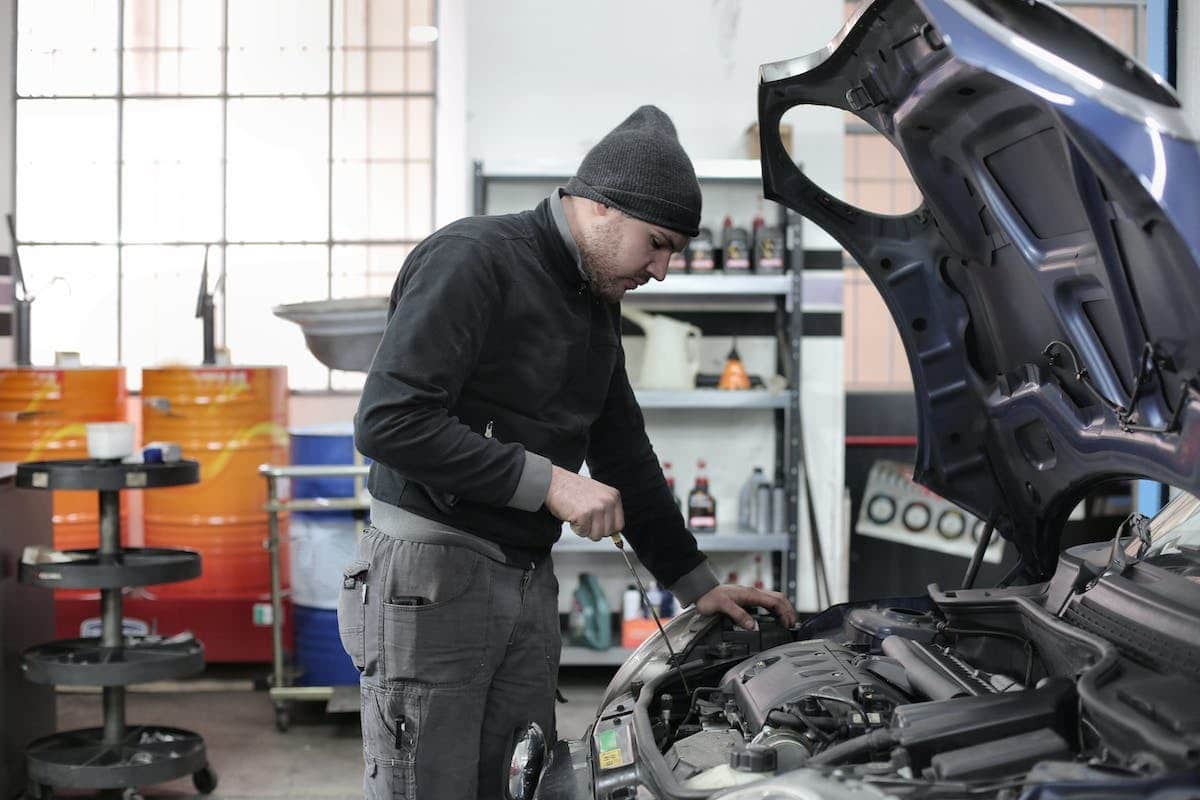
How to choose the right coilover suspension for your car
When it comes time to choose a coilover suspension for your car, you need to consider certain criteria to make the best possible choice. Here are some elements to consider:
Type of vehicle: you need to know the specifics of your vehicle. Some coilover suspensions are designed for sports cars or sedans, while others are better suited for SUVs or compacts. So make sure to select a model that fits your type of car.
Adjustment: Check the coilover suspension‘s ability to be adjusted according to your personal preferences and needs. Some models offer a wider range of adjustments in terms of height and stiffness compared to others.
Brand and quality: Choose a recognized brand in the automotive industry to ensure superior quality and increased durability. Research the different brands available on the market: read customer reviews, seek advice from automotive experts, or visit a specialized center.
Road: If the main goal is to improve your vehicle’s handling and maneuverability, make sure to choose a coilover suspension that offers increased stability when making tight turns or driving on rough roads.
Materials: Inquire about the materials used in the manufacture of the coilover suspension. High-quality materials such as aluminum or stainless steel ensure superior strength and durability.
Dampers: Also check if the coilover suspension offers an adjustable damping system where you can adjust the firmness or softness according to your personal preferences and road conditions.
Budget: You should set a budget before starting your search. Coilover suspensions can vary significantly in price, so make sure to find one that fits your financial means while meeting your technical requirements.
By taking these criteria into account when choosing your coilover suspension, you will be assured of optimal performance as well as improved comfort while driving. You should also consider local regulations regarding automotive modifications to remain within the legal framework while enjoying all the benefits offered by this technical modification.
Installing a coilover suspension: the steps to follow safely
Installing a coilover suspension on a car certainly requires some technical skills, but with the proper instructions, it can be done without too much difficulty. Here are the steps to follow to successfully carry out this operation.
Preparation: Make sure you have all the necessary tools before starting the installation process. A complete set of wrenches and screwdrivers will be essential, as well as a torque wrench to ensure proper tightening of nuts and bolts.
Safety: Before even lifting the car, be sure to take all necessary safety measures. Make sure to secure the car using sturdy wheel chocks to prevent any accidental movement during the operation.
Disassembly: Once you are sure the car is secure, you can proceed to disassemble the existing suspension system. This will generally involve removing the coil springs and other components associated with the dampers.
Installation of the coilover suspension: Now that you have removed the old suspension system, you can move on to the crucial step of installing the new coilover suspension in your vehicle. Be sure to read the instructions provided by the manufacturer carefully to ensure you are correctly following each step of the process.
Adjustments: Once installed, you will need to make the necessary adjustments to optimize the performance of your coilover suspension. This includes adjusting the height, spring preload, and compression/rebound of the dampers according to the manufacturer’s specifications or your preferences.
Once everything is in place, it is essential to perform a thorough check before taking the car on the road. Ensure that all nuts and bolts are properly tightened to avoid any risk of loosening while driving.
Road tests: Before concluding the installation, you will need to conduct a road test to assess the performance of the new suspension system. Pay attention to any potential anomalies such as unusual noises or poor handling.
If everything goes well during the road tests, you can consider the installation successfully completed! All that remains is to carefully clean all the tools used during the installation process and tidy up your workspace.
By methodically following these steps, you will be able to install a coilover suspension on your vehicle without major difficulty. Do not hesitate to seek advice from a professional if you need additional assistance.
Driving with a coilover suspension: essential precautions
The precautions to take when driving with a coilover suspension
When you have installed a coilover suspension on your car, be sure to take the necessary precautions to ensure safe driving. Here are some important points to consider:
Regularly monitor tire wear: With the new suspension setup, your vehicle may show an increased tendency for uneven tire wear. It is therefore recommended to regularly check the condition of the tires and rotate them if necessary to optimize their lifespan.
Adapt your driving style: A coilover suspension offers greater firmness and stability compared to the original suspension. This means you need to adapt your driving style accordingly, especially in tight turns or when crossing speed bumps. Be cautious and always maintain a speed appropriate for road conditions.
Avoid potholes and rough surfaces: Although the coilover suspension can provide better handling, do not overlook potential hazards such as potholes or other damaged surfaces that could cause problems with the suspension. Try to avoid these obstacles whenever possible or reduce speed when confronted with them.
Regularly check the damping: The dampers are a key element of the suspension system. Therefore, be sure to regularly check their condition and operation. If you notice signs such as unusual noises or poor shock absorption, it is advisable to have your vehicle inspected by a professional.
Respect maintenance intervals: As with any other automotive equipment, the coilover suspension requires regular maintenance according to the manufacturer’s recommendations. Be sure to adhere to these intervals to ensure optimal performance and increased durability of the system.
Be aware of legal limitations: When modifying the technical characteristics of your vehicle with the installation of a coilover suspension, make sure to know and comply with local regulations regarding automotive modifications. Some countries impose restrictions on vehicle height or require specific adjustments to comply with the law.
By following these simple precautions, you can fully enjoy the benefits of a coilover suspension without compromising road safety or damaging your car. Keep in mind that each installation is unique and may require additional adjustments based on the model and your personal preferences.
Errors to avoid when equipping a coilover suspension on your car
Installing a coilover suspension on your car can be an excellent way to improve performance and handling. Be sure to pay attention to common mistakes that could compromise the safety and proper functioning of the vehicle.
First, one of the main mistakes to avoid is not choosing the right model of coilover suspension for your vehicle. Each car has its specifics, and it is crucial to select a set that is suitable for the technical characteristics and weight of the vehicle. Neglecting this step could negatively affect the suspension, leading to uncomfortable or even dangerous driving.
Be sure to follow the manufacturer’s recommendations regarding the installation of the coilover suspension. While it may be tempting to perform this operation yourself to save on professional labor costs, this can be a costly mistake if you do not have the necessary skills.