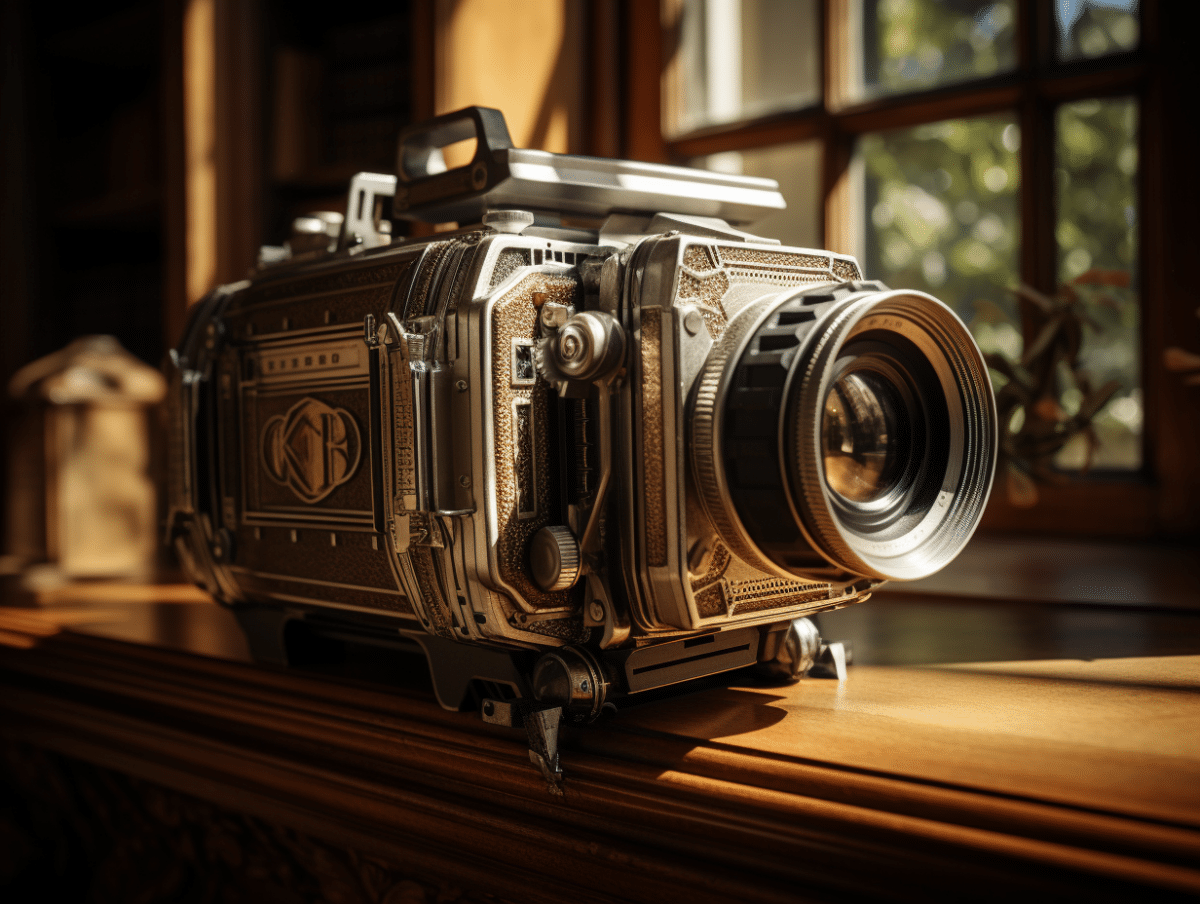
The odyssey of image capture dates back to the camera obscura, a dark chamber with a small hole allowing light to draw an inverted image of the outside scene. This ancient technique paved the way for the early steps of photography in the 19th century. With the emergence of photographic plates and then light-sensitive films, the camera transformed into a tool capable of freezing moments. Over time, technological innovation propelled the evolution towards increasingly sophisticated equipment, culminating in the advent of digital cameras and smartphones, miniaturizing and democratizing photography for the general public.
The origins of photography: from the camera obscura to the first still images
The camera obscura, a distant ancestor of modern photographic devices, is based on a natural optical principle observed by thinkers such as Aristotle and the Chinese philosopher Mo Ti. Both recorded the astonishing properties of this dark chamber capable of projecting inverted images. Then, in the 17th century, Johann Zahn proposed the design of the first portable camera, marking a decisive step in the conceptualization of photography.
The leap to fixing images was made possible by Joseph Nicéphore Niépce, who, with his invention of heliography, created the very first photographic image. Through a process requiring several hours of exposure, he succeeded in capturing a view from his window on a plate coated with bitumen of Judea.
Shortly after, another Frenchman, Louis Daguerre, refined Niépce’s approach and developed the daguerreotype, a process that significantly reduced the exposure time needed and improved image sharpness. This technique marks the true birth of photography as an accessible practice and quickly spread around the world.
discover the evolution of photography technology which has since continued to innovate. From the simple pinhole camera, which remains a basic application of the camera obscura, to advanced chemical processes, the quest to capture fleeting moments has become a scientific, artistic, and cultural adventure that continues to fascinate and inspire.
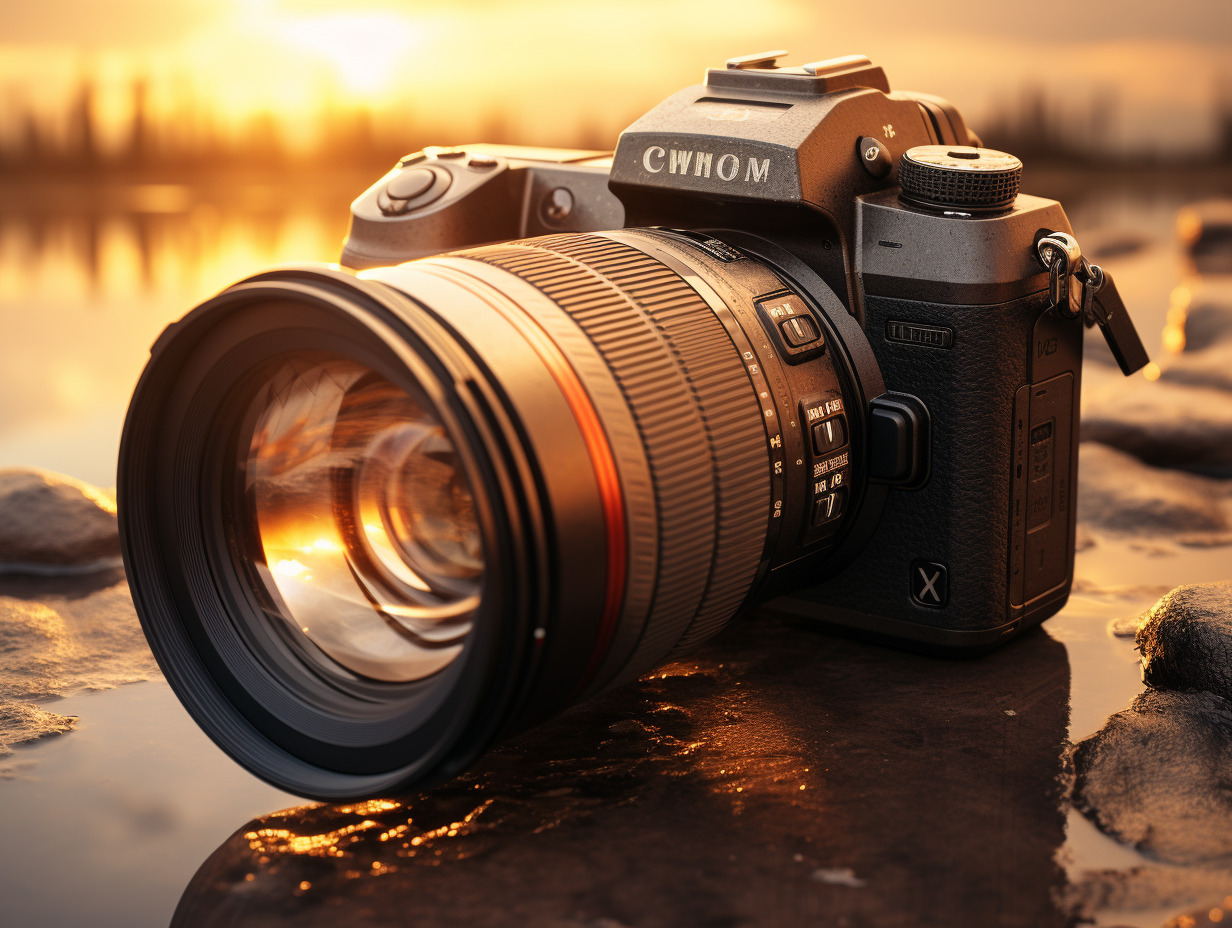
The evolution of the camera: from film to the digital revolution
At the end of the 19th century, the democratization of photography became a reality with the introduction by George Eastman of the first portable Kodak camera. This photography pioneer offered a device equipped with roll film, replacing glass plates, and promoted the slogan ‘You press the button, we do the rest.’ Instant photography took off, freeing amateur photographers from technical constraints and allowing a wider audience to capture moments without the assistance of a professional.
At the same time, technological advancements continued to expand the horizons of imagery. The stereoscope, for example, used by photographers like Charles Nègre, offers a three-dimensional visual experience, while Nadar explores sequential self-portraiture, foreshadowing future research on movement. Étienne-Jules Marey developed chronophotography, capturing multiple phases of a movement in a single image and paving the way for cinema.
The advent of digital photography in the last decades of the 20th century marked a definitive break from film. Digital cameras, equipped with electronic sensors, transform images into digital data, facilitating their processing, storage, and sharing. This digital revolution profoundly disrupted the photographic industry, establishing photography as a ubiquitous and essential practice in contemporary society. Modern technology continues to advance, making devices increasingly powerful and accessible, for a constantly renewed exploration of the realm of visual possibilities.