
Pet insurance works on the same principle as human health insurance: the insured pays a monthly premium, and the insurer reimburses a portion of the veterinary expenses incurred according to the terms of the contract. The level of coverage, exclusions, and limits vary significantly from one plan to another, making the reading of the contract more crucial than the displayed price.
Waiting period and annual limit: two mechanisms that change everything
Before comparing prices, two concepts deserve to be understood. The waiting period refers to the period following enrollment during which no reimbursement is possible. It varies by insurer and by type of care (accident or illness). A contract may specify a few days of waiting for accidents and several weeks for illnesses.
The annual reimbursement limit sets the maximum amount that the insurer will pay in a year. Once this limit is reached, all expenses remain the owner’s responsibility until the contract is renewed. Two plans with the same monthly price may have very different limits, which radically changes their usefulness in the event of hospitalization or major surgery.
To effectively compare the available offers, browsing pet insurance on La Maison des Animaux allows you to visualize the differences between plans based on these specific criteria.
Exclusions in a pet insurance contract
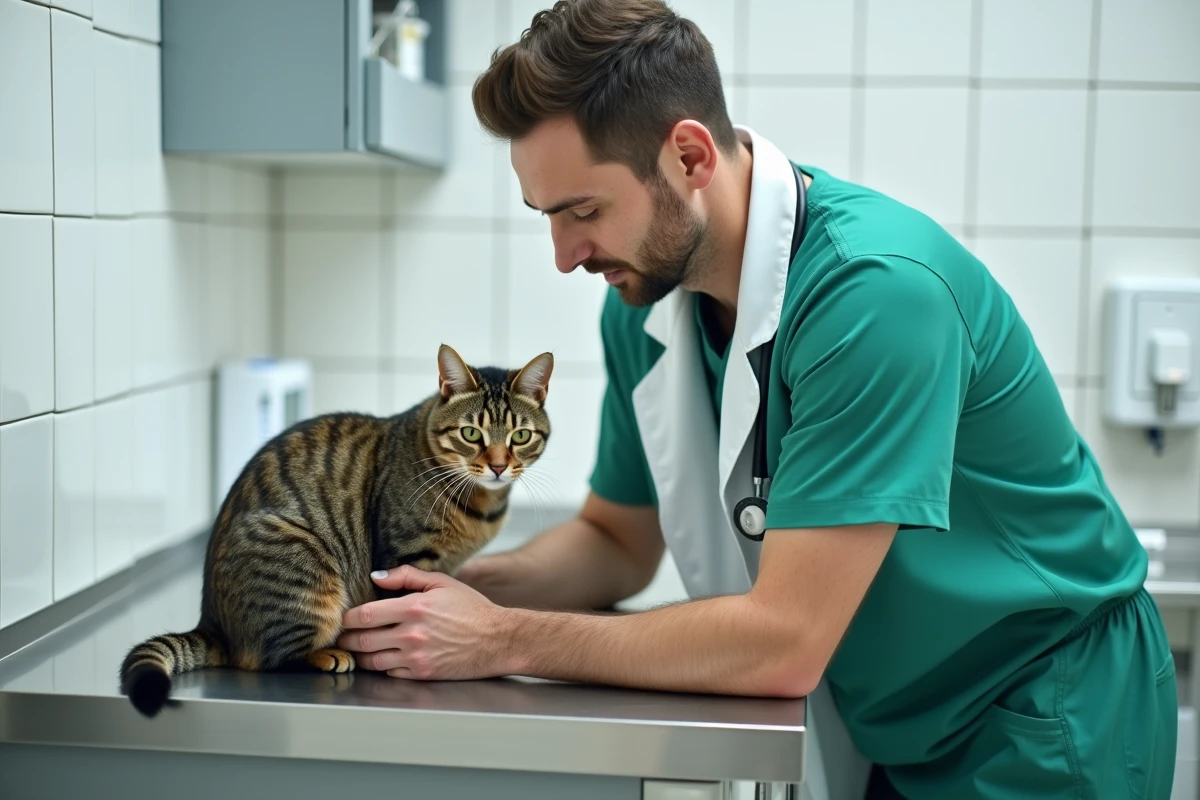
Exclusions are the most underestimated point when signing up. Each pet insurance contract includes a list of situations or conditions that are not covered. Three categories consistently appear.
- Hereditary and congenital diseases related to the animal’s breed. Certain dog breeds are predisposed to joint or heart conditions that many insurers exclude by default or only cover in the most expensive plans.
- Reproductive care (pregnancy, giving birth, cesarean) is rarely included in basic plans. An owner considering a litter should check this point before signing up.
- Preventive care (vaccination, dental cleaning, deworming) is only reimbursed if the contract includes a dedicated preventive package, often capped at a modest amount per year.
Reading the list of exclusions before signing avoids unpleasant surprises at the time of a claim. A cheaper contract with a long list of exclusions can sometimes end up costing more in total than a premium plan that covers more situations.
Age conditions and health status of the dog or cat
The age of the animal at the time of enrollment determines both the acceptance of the application and the amount of the premium. Most insurers set a minimum age (usually a few months) and a maximum age beyond which enrollment is refused. For cats, this limit is often higher than for large dog breeds, which have a shorter life expectancy.
An animal already suffering from a condition at the time of enrollment will have that condition excluded from the contract. This is why enrolling early, when the animal is young and healthy, offers the broadest coverage.
Some insurers require a recent veterinary certificate or a detailed health questionnaire. Others only require a declaration of honor but reserve the right to refuse reimbursement if an undeclared pre-existing condition is discovered.
Pet insurance plans: reading beyond the commercial name
Insurers generally offer three levels of coverage. The basic plan reimburses a limited percentage of veterinary expenses, with a low annual limit. The intermediate plan increases the reimbursement rate and the limit. The premium plan aims for maximum coverage, sometimes including a preventive package and assistance in case of loss of the animal.
The displayed reimbursement rate (often expressed as a percentage of actual expenses) is not enough to compare two contracts. This rate must be cross-referenced with the annual limit, the amount of the deductible per act, and the waiting period applied.

- A high reimbursement rate combined with a low limit provides good protection for small routine care but leaves a heavy out-of-pocket cost in the event of surgery.
- A deductible per act reduces each individual reimbursement. Over a year with multiple consultations, the cumulative impact can be significant.
- The ratio between monthly premium and annual limit provides a more reliable indication than the reimbursement rate alone for assessing the profitability of a contract.
Liability and pet health insurance: two distinct coverages
A common misconception is to think that pet health insurance also covers damages caused by the animal to a third party. These are two separate guarantees. Liability insurance covers material or bodily damage that the animal causes to others. It is often included in the owner’s home insurance but not always for category 1 and 2 dogs, for which specific insurance is mandatory.
Pet health insurance, on the other hand, only covers the veterinary care of the insured animal. Checking with your home insurer whether animal liability coverage is active remains a simple precaution that avoids a coverage gap.
The choice of an insurance contract for a dog or cat relies less on the monthly price than on the combination of limit, deductible, exclusions, and waiting period. A contract tailored to the animal’s profile (breed, age, lifestyle) offers better protection than a generic plan chosen solely based on price.