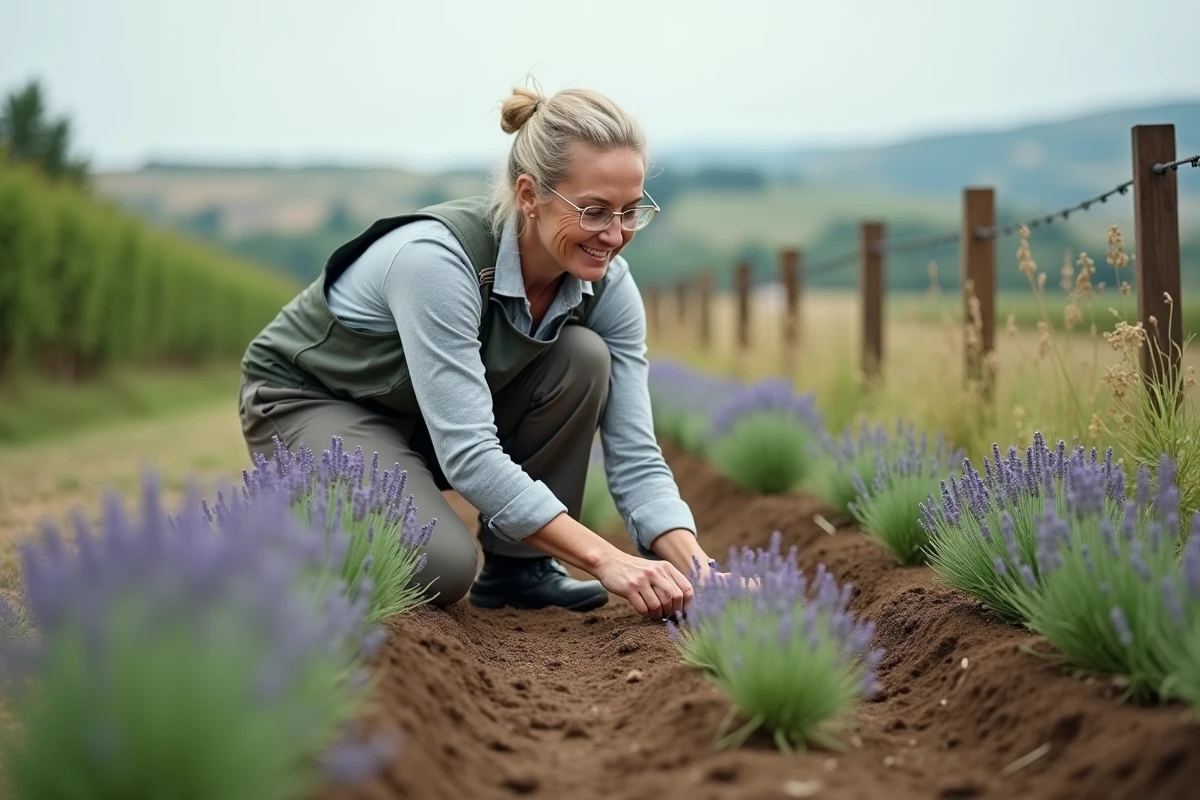
In France, the law prohibits any residential construction on non-buildable land, but allows certain temporary or mobile installations under strict conditions. A detail often overlooked: some agricultural or recreational activities can still generate a regular income, provided that local regulations are respected.
Urban planning constraints discourage many property owners, but there are indeed concrete ways to enhance the value of land classified as non-buildable. Livestock farming, market gardening, green tourism, energy production: the options vary depending on the configuration, area, or local context. Each project has its formalities, and there is always a need to remain attentive to the regulatory framework.
Understanding the advantages and constraints of non-buildable land
A non-buildable plot is designated for a reason: it all stems from the Local Urban Plan (PLU), the cornerstone of municipal regulation. Each parcel receives a classification: agricultural zone (A), natural zone (N), or forest zone (Nf, Nl, Na). These titles reflect a desire to protect natural and agricultural spaces from thoughtless urbanization.
The PLU determines whether and to what extent it is possible to install a structure, even a light one. Between total prohibition and regulated permissions (often via a prior declaration), it is advisable to consult the urban planning department of the municipality. During a sale, the SAFER frequently intervenes: it has a preemption right that affects the transaction and prices. As for hoping for a change in classification, the process remains long and uncertain, especially under the authority of the CDPENAF.
The potential of the land fully depends on its status and the rules of the PLU. The authorization for cultivation, livestock farming, or solar installation varies depending on the submitted file, obtaining a development permit, or a rural lease with a farmer. The prospects change significantly with size: one hectare opens the door to real projects; a small enclosed plot severely limits ambitions.
This technical and regulatory landscape deserves to be understood before any steps are taken: to gain clarity, it is possible to discover economic solutions on Klottra and compare models that work, beyond preconceived ideas.
What activities can truly generate income on agricultural land?
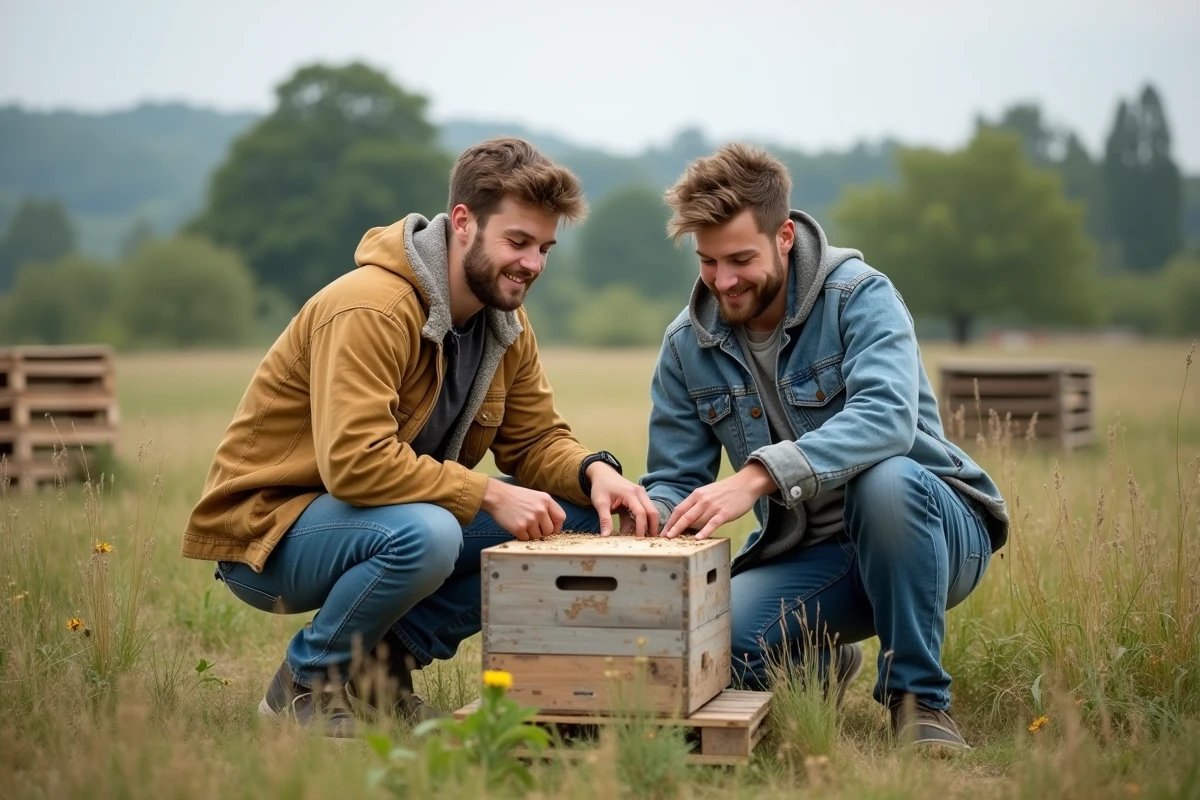
Enhancing non-buildable land starts with leveraging what it naturally offers. Agriculture stands out as the primary lever: large crops, diversified market gardening, orchard planting, or beekeeping, all depend on the soil, configuration, and local fabric. For example, setting up a few beehives allows for selling honey production while providing a valuable service to biodiversity.
Renting out the land to a farmer (via a rural lease) provides a fixed annual income without direct management. Others bet on planting trees: Paulownia, fruit trees, or local species enhance the space over time, offering potential for deferred income, positive ecological effects, and sometimes eligibility for environmental aids.
With the rise of renewable energies, some sites now host solar panels or agrivoltaic systems. Installing a photovoltaic plant requires administrative agreements and a long-term lease, but the stability of the annual rent attracts more and more property owners. Agrivoltaics, combining agricultural production with solar energy, further diversifies resources.
Several alternatives also deserve consideration, provided that temporary or removable arrangements are chosen when the PLU requires it:
- Rural tourism: creating areas for campers or RVs, organizing leisure activities, launching an educational farm for school groups or families
- Outdoor recreation: nature trails, community gardens, spaces dedicated to accessible sports
- Outdoor advertising: renting a plot to install an advertising panel, subject to compliance with local regulations
Inspiring examples to choose the most suitable solution
Many individuals have already taken up this challenge. Some exploit their plot as a Paulownia orchard to produce wood and participate in carbon storage. Others turn their land into a haven for bees and invest in beekeeping: this activity requires little setup while generating sales of honey and wax and enhancing biodiversity.
The appeal of rural tourism remains strong, especially near hiking trails. Creating an area for RVs or opening a community garden on one’s plot responds to the growing interest in green leisure activities. Educational farms welcome children and adults eager for contact with nature and sometimes benefit from municipal or associative support.
The development of solar farms is attracting more and more landowners. Renting to an operator who will install a photovoltaic plant or agrivoltaic panels is choosing the security of long-term income without compromising the natural vocation of the site. Renewable energy production thus integrates with agriculture or extensive practices, without depriving the space of its ecological value.
Installing an advertising panel on the land, negotiated with a specialized agency, can sometimes be lucrative, especially near busy routes; again, it is essential to ensure compliance with strict local regulations.
Transforming a simple non-buildable plot into a genuine source of income sometimes involves juggling constraints, but also seizing the opportunity to combine local activity, respect for life, and touches of innovation. The only rule: adapt, dare, invent, because a non-buildable plot has not said its last word.