Ukraine is a country where its culture, history and landscapes come to life through the people who shape them. Travelling through Ukraine differently means prioritising local encounters, immersing yourself in everyday Ukrainian life and understanding a heritage undergoing profound change. This kind of trip goes beyond a simple tourist itinerary to become a human experience rooted in the realities of the country.
Ukrainian cultural heritage and the challenges of preservation
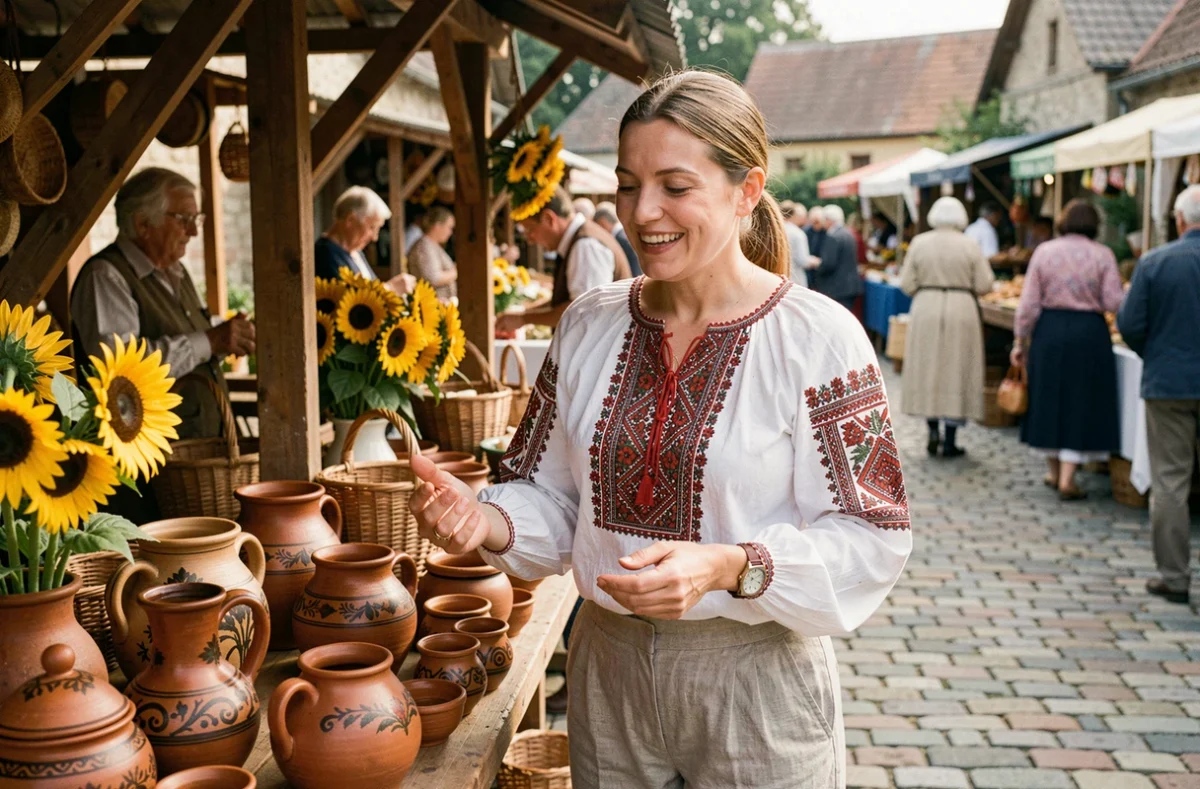
Discovering Ukraine differently starts with understanding what the country is protecting. Ukrainian cultural heritage is not limited to visible monuments. It also encompasses oral traditions, craft practices and culinary skills passed down from generation to generation.
UNESCO and the UNITAR/UNOSAT satellite centre monitor damage to cultural sites using satellite imagery and a regularly updated platform. This monitoring connects visits to these places with questions of preservation and the memory of the conflict.
One point deserves attention: UNESCO notes that data on intangible cultural heritage could not be included in its first sectoral assessment. In 2024, it worked with Ukrainian partners to test a dedicated assessment method. For travellers, this means that some local traditions, dances, songs and regional recipes risk disappearing without adequate documentation. Meeting the people who keep these traditions alive therefore takes on a different significance.
Those wishing to explore trips with UKR Travel will find options designed around this kind of cultural immersion and direct contact with local communities.
Lviv and western Ukraine: immersing yourself in living culture
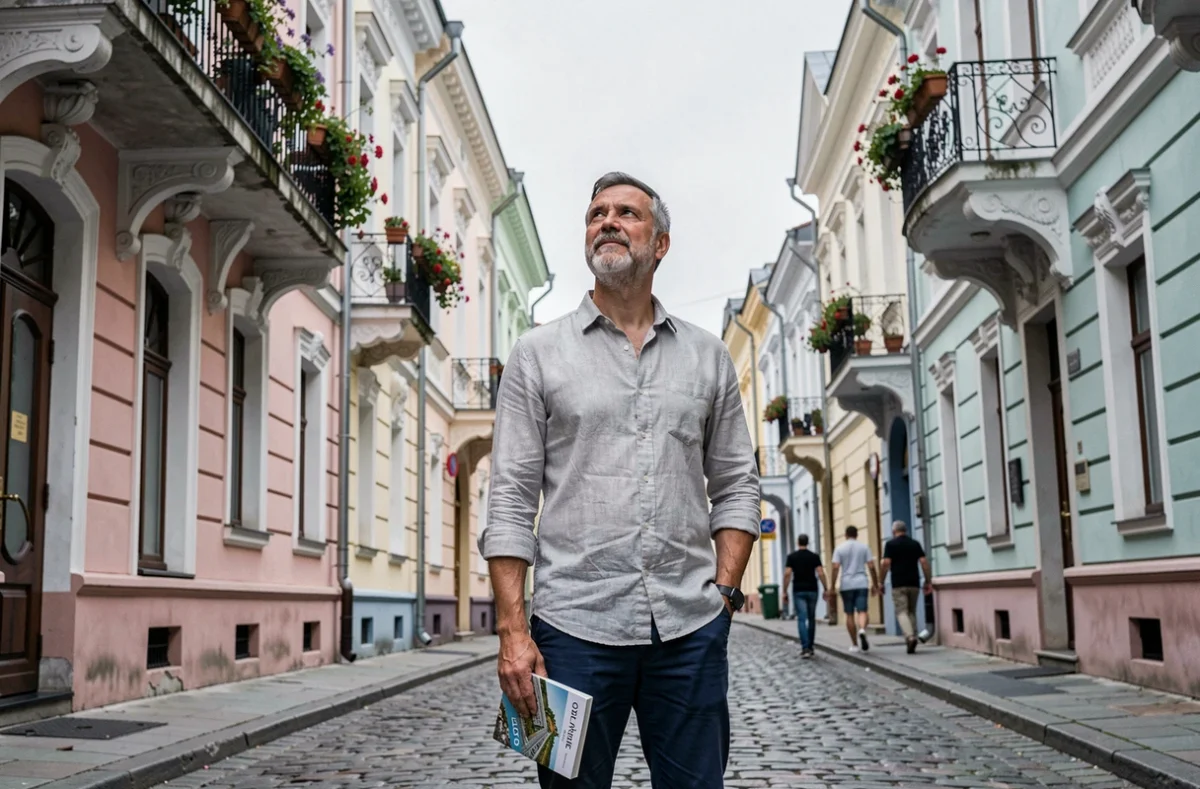
Lviv is home to a significant part of Ukraine’s cultural life. The city draws visitors with its Austro-Hungarian architecture, but it is above all its community organisations and events that make it a gateway to a trip centred on meeting people.
Lviv is a cultural crossroads where artists, craftspeople and volunteers come together. Literary cafés, ceramics workshops and food markets offer opportunities to meet Ukrainians committed to preserving their heritage. Local cuisine, including dishes made with Carpathian mushrooms and traditional pastries, is best discovered in someone’s home rather than in a restaurant catering to tourists.
The west of the country also offers access to the Ukrainian Carpathians, where Hutsul communities maintain a pastoral way of life. Homestays in these valleys let visitors take part in everyday activities such as making sheep’s cheese, woodworking and gathering medicinal plants.
Cultural events and local encounters
Ukraine’s cultural calendar extends beyond its major institutions. Local initiatives organise traditional music festivals, contemporary art exhibitions in unexpected venues and public readings by Ukrainian authors. In France, the “Voyage en Ukraine” cultural season, led by the French and Ukrainian Institutes, showcased this richness through around fifty events in several French regions.
These connections between France and Ukraine help build a network of contacts before departure. Attending an event in France could lead to an invitation to visit an artist in Lviv or Odesa.
Practical considerations for travelling to Ukraine during wartime
Travelling through Ukraine differently means taking the current situation into account. Several factors affect whether a trip is feasible and safe.
- Air raid alerts and curfews are in effect throughout the country. Timings vary by region and should be checked before each journey.
- Ukrainian authorities regularly publish a list of regions subject to restrictions. This information should be checked before planning an itinerary.
- Your passport, visa (if applicable) and proof of accommodation should be kept accessible at all times when travelling within the country.
- International rail connections are one option for reaching Ukraine without a direct flight. Schedules and actual service availability should be confirmed with the carrier before travelling.
Whether a trip is feasible depends on more than choosing a region considered less exposed. Official travel advice from foreign ministries remains the key reference before any departure.
Travelling with an open heart: how encounters can transform a trip
Conventional tourism consumes places. A trip centred on meeting people changes how you relate to the country you visit. In Ukraine, the difference is tangible.
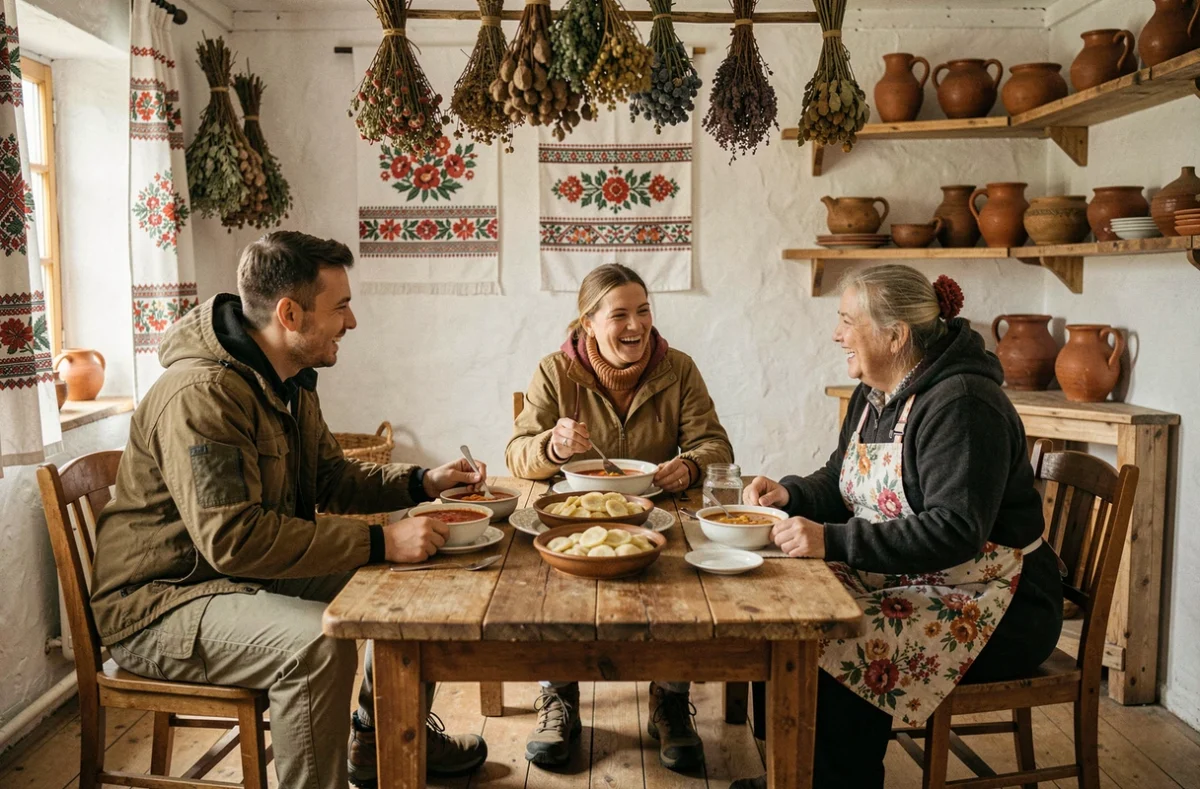
Sharing a meal with a Ukrainian family in the countryside offers a glimpse into local history that neither a guidebook nor a museum can provide. Personal stories, family photos and anecdotes about a village or a vanished trade all contribute to a living memory. The traveller becomes a witness to a culture in motion.
Cultural immersion also means engaging with the language. Learning a few Ukrainian words before departure, even basic ones, can open doors. Ukrainians appreciate the effort and see it as a gesture of respect for their national identity, distinct from Russian identity.
Beyond tourism: commitment and solidarity
Some trips to Ukraine include a solidarity component. Helping restore a historic building, contributing to a workshop for displaced children or supporting a local organisation as it collects oral testimonies are all ways to make a trip more meaningful. These experiences create lasting bonds between travellers and Ukrainian communities.
Ukraine cannot be reduced to either its monuments or its war. It is a country whose richness is reflected in the generosity of its people, and every encounter there is a reminder that travelling differently begins with being open to change through what you discover.