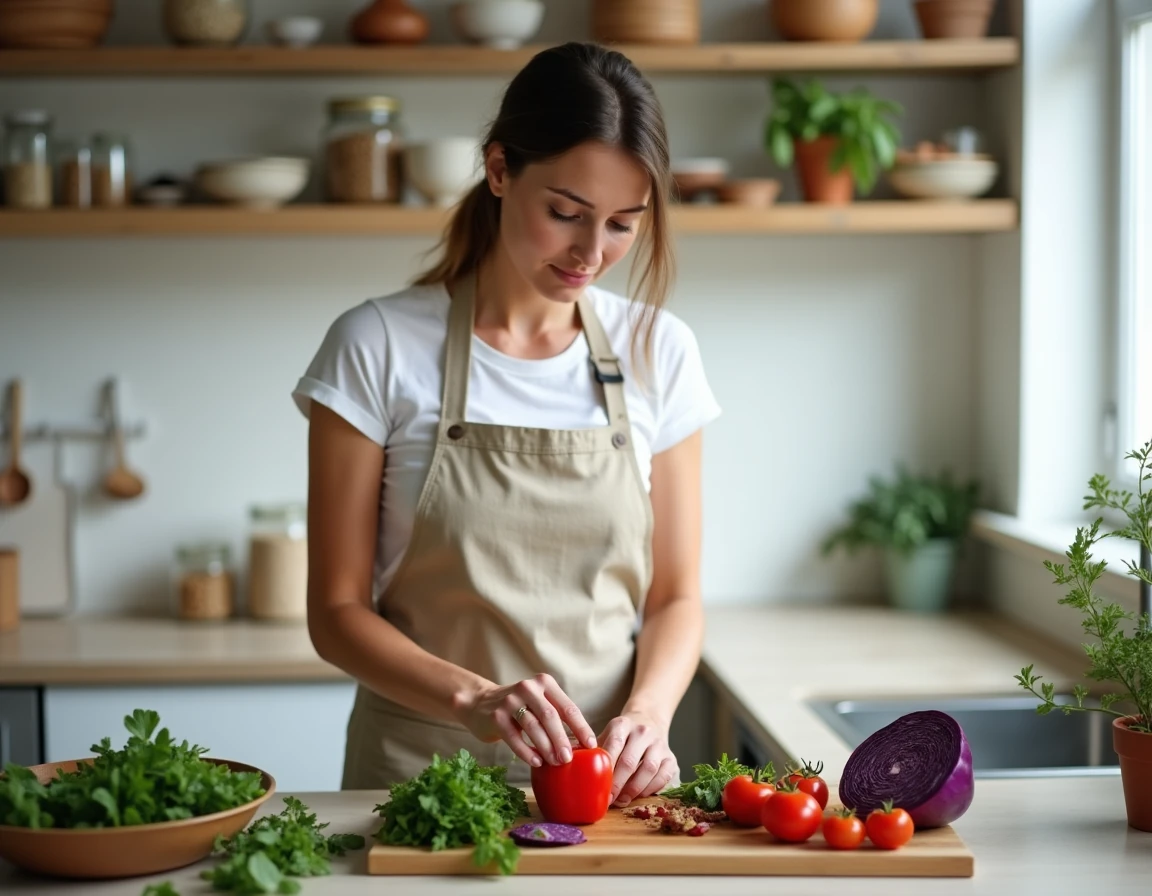
Plant-based cooking is based on a simple principle: creating meals from vegetables, legumes, grains, fruits, nuts, and seeds, without resorting to animal products. This way of eating is not just about removing meat from a plate. It involves rethinking the nutritional balance of each meal around plant-based combinations that meet the needs for protein, iron, calcium, and vitamins.
Legumes and Microbiome: The Underestimated Pillar of Plant-Based Cooking
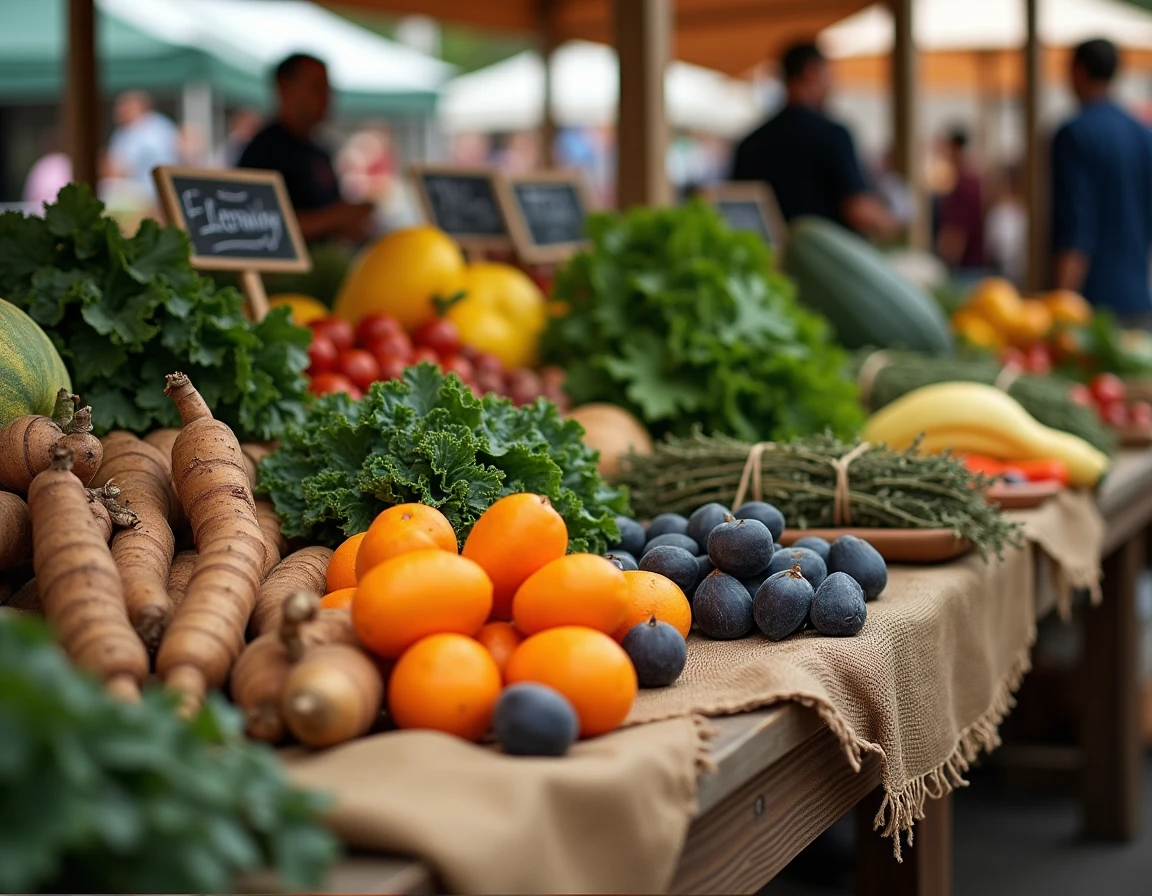
Plant-based cooking guides often present legumes as a mere substitute for meat. Their role goes far beyond just providing protein.
Lentils, chickpeas, dry beans, and fava beans contain fermentable fibers that nourish the gut microbiome. These fibers serve as a substrate for beneficial bacteria in the colon, promoting the production of short-chain fatty acids. This mechanism contributes to better blood sugar management and helps prevent metabolic diseases, including type 2 diabetes.
To achieve a complete amino acid profile, simply pairing a legume with a grain during the same day is sufficient: rice and lentils, pasta and chickpeas, semolina and fava beans. This protein complementarity is the foundation of many traditional cuisines (Indian dhal, Maghreb couscous, Brazilian feijoada). La P’tite Graine also offers recipes built around these combinations to facilitate the transition to a more plant-based diet.
Plant Proteins: Building a Balanced Meal Without Animal Products
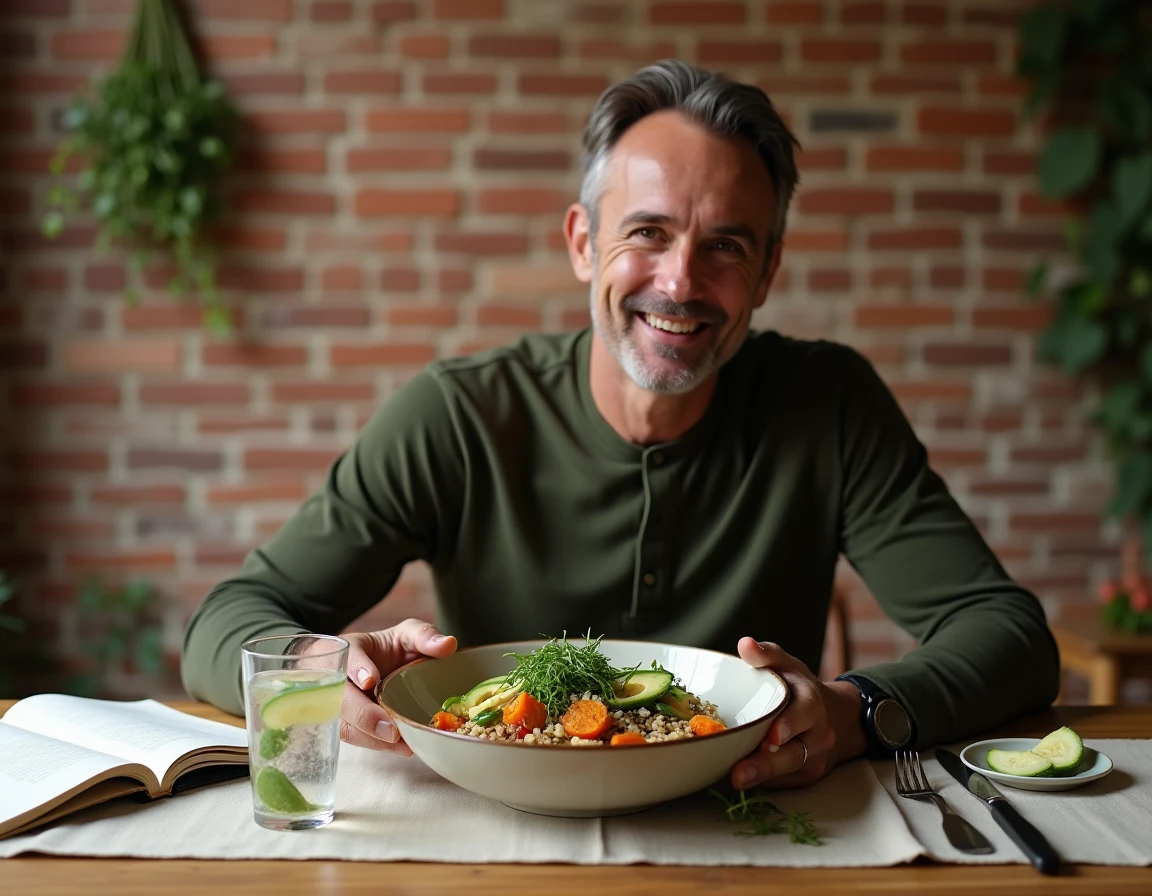
Soy, tofu, tempeh, and seitan are the most concentrated sources of plant proteins. Firm tofu provides an amino acid profile similar to that of animal products, making it a top choice for everyday meals.
Not all plant proteins are equal. Whole grains (quinoa, buckwheat, spelt) provide amino acids different from those of legumes. Varying plant sources throughout the week is enough to meet the protein needs of a healthy adult without requiring complex calculations.
Nuts (almonds, cashews, sunflower seeds) complement protein intake while providing high-quality fats. A handful added to a salad, porridge, or sauce transforms a simple dish into a nutritionally dense meal.
Three Common Mistakes About Plant Proteins
- Compensating for the absence of meat with an excess of cheese or eggs in a vegetarian approach, which increases saturated fat intake without diversifying nutrients
- Relying solely on industrial meat substitutes (veggie steaks, vegan sausages) whose ingredient lists can be very long and high in salt
- Neglecting legumes due to a lack of culinary habit, when a simple chickpea curry with coconut milk can be prepared in under twenty minutes
Everyday Plant-Based Recipes: Simplicity and Flavor
Adopting a plant-based diet does not require mastering complex techniques. The most effective recipes rely on a limited number of quality ingredients, combined with a sauce or seasoning that makes a difference.
A well-stocked plant pantry makes every meal quicker to prepare. A few basics are enough: red lentils (cooking in ten minutes), whole grain rice or semi-whole pasta, canned chickpeas, soy sauce, tahini, lemon, and a few spices (cumin, turmeric, smoked paprika).
Concrete Combinations for Every Meal
In the morning, a bowl of oatmeal with fresh fruits and chia seeds provides fiber, slow carbohydrates, and plant-based omega-3s. At noon, a bowl of whole grains with roasted vegetables and tahini sauce makes a complete meal in under thirty minutes.
In the evening, a seasonal vegetable soup enriched with red lentils provides satiety and nutrients without heaviness. Zucchini, carrots, sweet potatoes, or broccoli all lend themselves to this quick preparation with an immersion blender.
The key lies in rotating vegetables according to the seasons. Organic and local products, purchased at markets or through short supply chains, offer superior nutritional density compared to out-of-season vegetables transported over long distances.
Flexitarianism: A Gradual Transition to Plant-Based Eating
Transitioning from a traditional diet to an entirely plant-based cuisine overnight is rarely sustainable in the long term. The trend documented in recent years in France shows that flexible reduction of meat is particularly growing among 18-35 year-olds, who are reducing red meat for cardiovascular health and digestive well-being without becoming strictly vegetarian.
This approach, often called flexitarianism, involves gradually replacing meat with plant proteins across several meals per week. Starting with two or three plant-based dinners weekly allows for the acquisition of new culinary habits without frustration.
Several points of attention should be monitored during this transition:
- Vitamin B12, absent from plant foods, requires regular supplementation for those who significantly reduce or eliminate animal products
- Non-heme iron from plants is better absorbed in the presence of vitamin C (a squeeze of lemon on lentils, raw peppers in a quinoa salad)
- Calcium is found in almonds, broccoli, kale, and fortified plant drinks, but the amounts to consume are higher than with dairy products
A well-managed plant-based diet relies neither on deprivation nor complication. It simply requires knowing a few principles of nutritional combination and keeping an appropriate pantry. The rest is a matter of curiosity, seasons, and personal taste.